Below is a guide to the most common dental emergencies — what to do immediately, and when to go straight to the emergency room instead.
Knocked-Out Tooth
A permanent tooth that’s been knocked out can often be saved — but only if you act within the first hour. Every minute matters here.
Pick the tooth up by the crown, not the root. Touching the root damages the cells needed for reattachment. Rinse it gently under water if it’s dirty — don’t scrub it. If possible, place it back in the socket facing the correct direction and hold it there with light pressure while you make your way to us or the nearest emergency room. If reinsertion isn’t possible, keep the tooth between the patient’s cheek and gum, or submerge it in cold milk. Do not let it dry out.
If the tooth has been knocked loose but is still partially in place, the same urgency applies — get to us or an emergency room within six hours. If there’s excessive bleeding that isn’t controlled with pressure, go to the emergency room immediately.
Chipped or Cracked Teeth
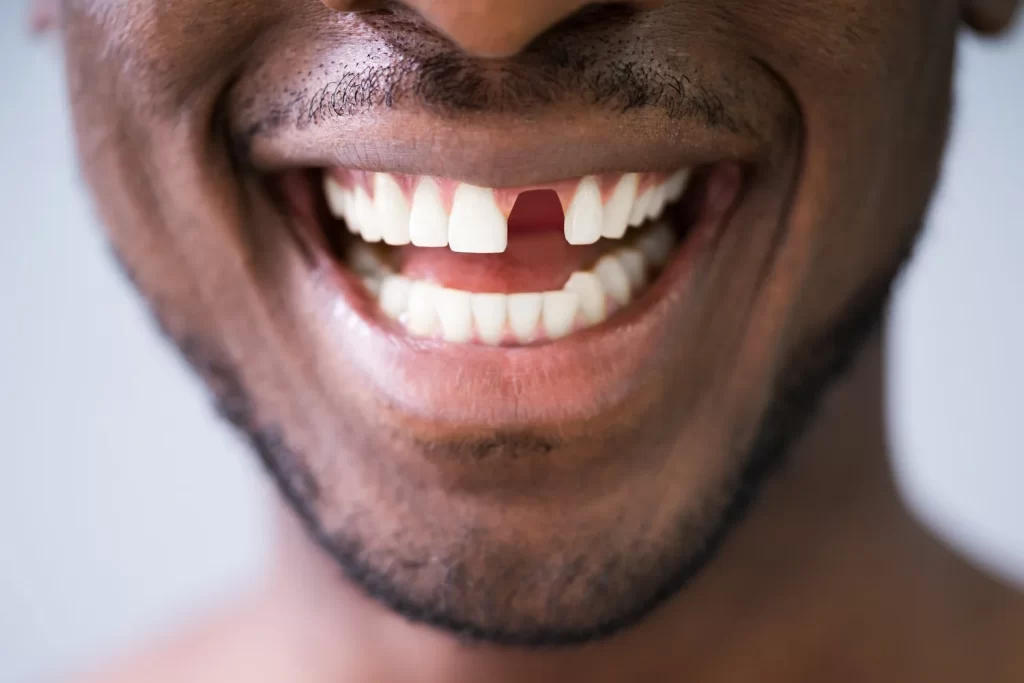
Chipped and cracked teeth are the most common dental emergencies, and most cases are manageable without an ER visit. Collect any broken fragments — they can often be reattached — and contact us to schedule an urgent appointment. Wrap the pieces in damp gauze or place them in a small container with milk or water to keep them from drying out before your visit.
Even if there’s no immediate pain, a crack that reaches the inner structure of the tooth can worsen quickly under normal biting pressure. Don’t ignore it and assume it’ll be fine.
Tooth and Jaw Pain
Pain — whether it comes on suddenly or has been building over time — is your mouth signaling that something needs attention. The most common culprit is decay that has worked its way through the tooth structure toward the nerve or gum tissue. Left untreated, this can progress to the point where a root canal becomes the only option to save the tooth, or extraction becomes unavoidable.
Other causes include a loose or failing filling, tooth sensitivity from exposed root surfaces, or referred pain from jaw joint issues. The cause matters because the treatment is completely different for each. The only way to know what’s actually happening is an exam — don’t try to diagnose it yourself based on where it hurts.
If your jaw pain is severe, accompanied by facial swelling, or feels unmanageable, call us immediately. Swelling around the jaw can indicate a spreading infection that requires urgent attention.

Gum and Soft Tissue Emergencies
Infections in the gum tissue should never be waited out. An untreated abscess — a bacterial infection that forms a pocket of fluid within the gum — can spread and become a serious health risk beyond the mouth. If you notice a painful, swollen lump on your gum, or if you have persistent throbbing pain with swelling, contact us or go to the emergency room the same day.
For cuts, bites to the cheek or tongue, or other soft tissue injuries: rinse thoroughly with diluted salt water, remove any visible debris with floss or a toothpick, and apply a warm damp cloth to control bleeding. If bleeding doesn’t stop within 15 to 20 minutes with consistent pressure, go to the emergency room.
Orthodontic Emergencies
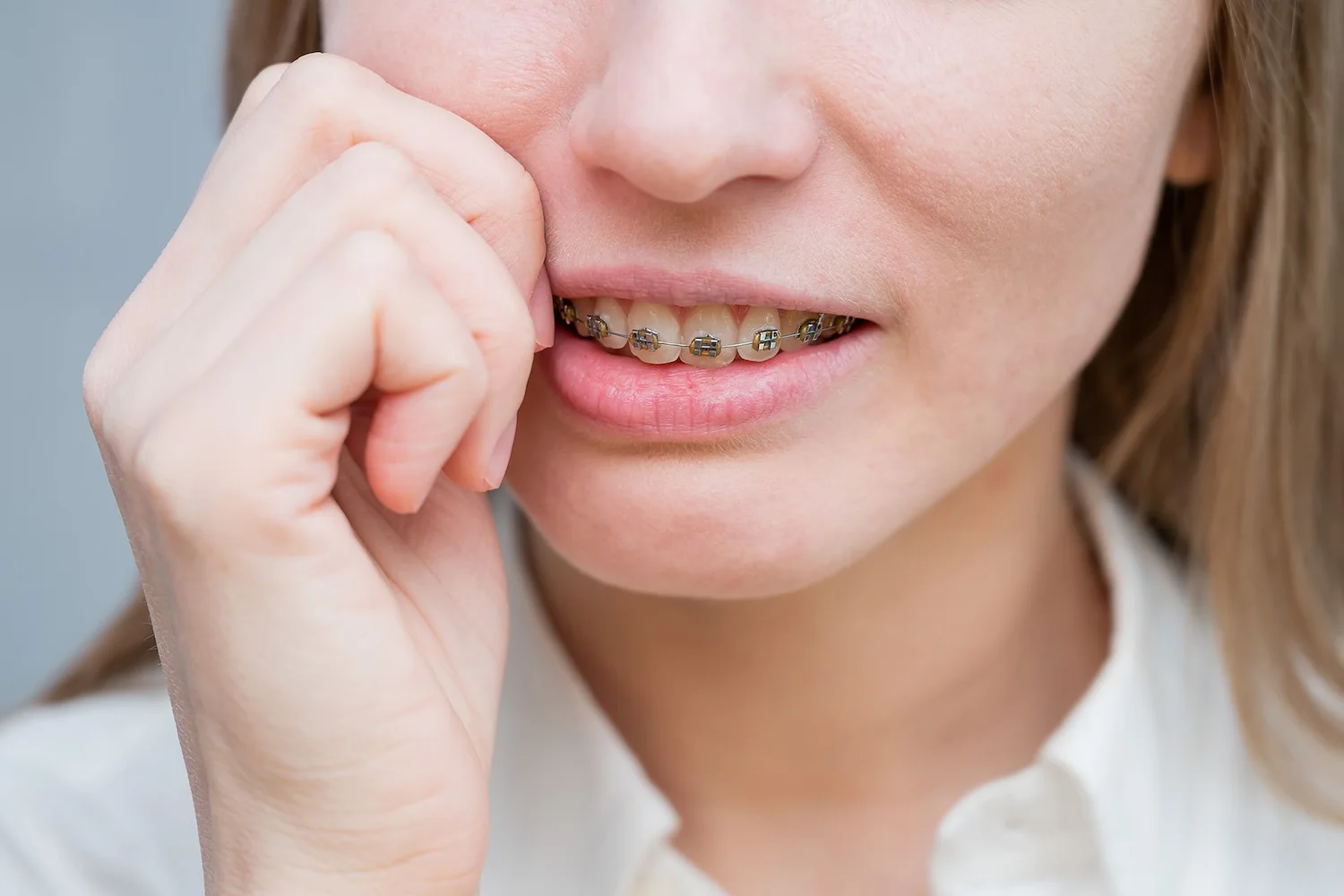
Most orthodontic emergencies are more uncomfortable than dangerous. A broken bracket, a wire that’s shifted and poking tissue, or soreness after an adjustment — these are urgent but not critical. Contact your orthodontic provider first. If they’re unavailable, call us.
Go to the emergency room if you experience significant facial swelling, jaw pain that’s unmanageable, or any trauma to the face that may involve more than just the braces hardware.